
Heard County Warrant Checks
Start with a phone call. The Heard County Sheriff's Office posts no online roster for searching names, so direct confirmation is the practical first step. HCSO takes calls at (706) 675-3329. Non-emergency dispatch answers at (706) 675-3328. A court clerk is the next source, because the issuing court controls the case status, the hearing schedule, bond terms, and any recall order. Georgia's official guidance agrees: contact the sheriff in the county where the warrant was issued, not a statewide database. Before dialing, write down the full legal name, date of birth, the issuing court if known, and any citation, case, or warrant number. Give sensitive identifiers only to an official office through its stated channel. Both numbers reach the same agency. If confirmation could lead to arrest or an immediate court obligation, ask a Georgia lawyer how to proceed before appearing in person. That one call can steer a Heard County warrant check to the right desk.
- Call HCSO and ask which agency and court hold the warrant.
- Contact the named Superior, Magistrate, Probate, or municipal clerk for the case status.
- Check county traffic citations through Probate Court and city citations through the correct municipal clerk.
- Use the HCSO Open Records form when a written record is needed.
- After confirmation, ask counsel and the issuing court about recall, surrender, bond, and the next hearing.
No Public Heard County Warrant List
The HCSO site offers department, contact, division, complaint, and open-records pages. It publishes no active-warrant roster. There is no most-wanted name list either. That absence changes the method. A blank site search says nothing about a Heard County warrant, because no official public search tool exists to test. An office-based check is the safer substitute. The sheriff can explain its role in service, while the issuing clerk confirms what the court record currently says. City matters may sit with a municipal clerk. Sealed, juvenile, or active-investigation material may stay closed to ordinary access. The missing roster is a publishing limitation, not a statement about any person's status. The HCSO divisions page lays out the agency's structure without offering an individual warrant list.
The official HCSO home page confirms the agency identity and its public navigation. It is a department front door. No private person's record appears there, and no Heard County warrant lookup runs from it.
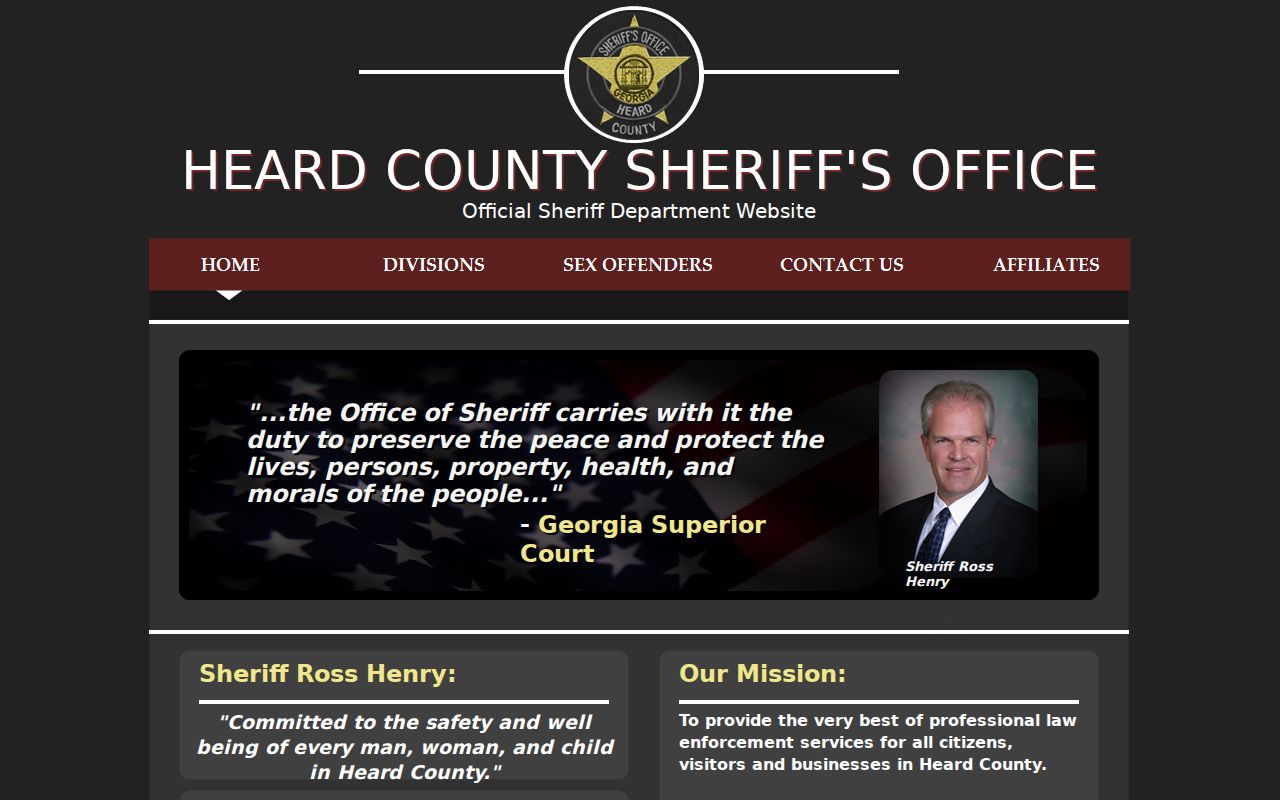
The HCSO contact page lists the sheriff, non-emergency, complaint, and Open Records routes open to the public. Use these lines for direct confirmation. When Heard County publishes no roster, a written request through Open Records is another path.
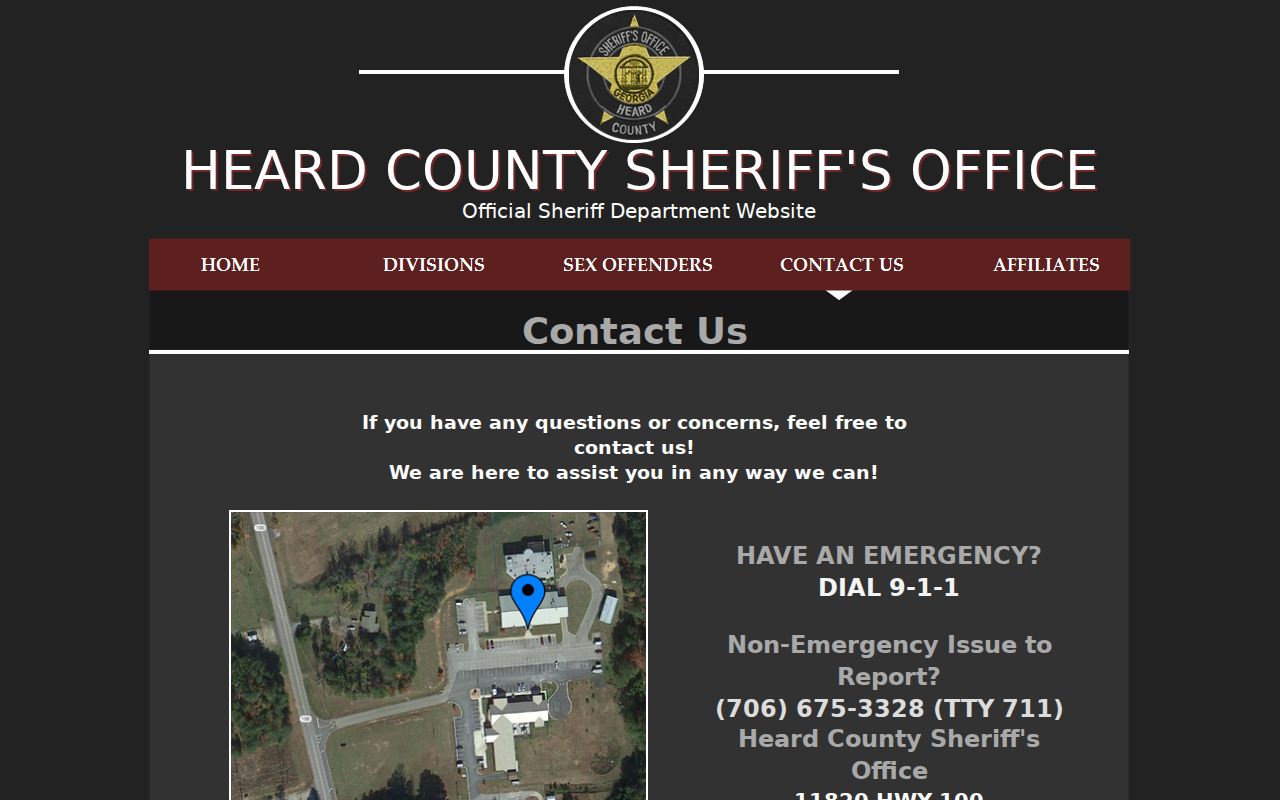
When the county publishes no public roster, these Heard County channels support both a direct confirmation call and a written records request.
Warrants in Heard County: The Main Types
A warrant's label tells you its legal purpose. It also hints at which office holds the record. An arrest warrant rests on probable cause for an alleged offense. A bench warrant usually follows a missed setting, contempt, or a court order ignored. A search warrant authorizes a search for evidence. That type is not a list of people. Georgia records may also use the word capias, and Heard County publishes no separate capias workflow, so the issuing clerk interprets the label.
| Warrant Type | How It Arises | Who Issues It |
|---|---|---|
| Arrest warrant | Probable cause supports arrest for an alleged offense | Magistrate or another authorized judicial officer |
| Bench warrant | A missed hearing, contempt, or unmet court direction | The judge handling the underlying case |
| Search warrant | Probable cause supports a search for specified evidence | An authorized judicial officer |
| Capias or FTA process | A court-specific command tied to nonappearance or enforcement | The court using that term |
Three Heard County Court Counters
Several Heard County courts share one courthouse at 215 East Court Square in Franklin, yet each counter does different work. The Superior Court Clerk, at (706) 675-3301, keeps the criminal case files behind felony warrants. Heard County Magistrate Court, at (706) 675-3002, handles arrest and search warrants, preliminary proceedings, officer warrants, and citizen warrant applications. Probate Court, at (706) 675-3353, administers county traffic citations. Calling the building without naming the case type can send a request to the wrong desk. Start with the document in hand. A Superior Court case number points to Tammy Teal, Clerk of Superior Court. A county traffic citation points to Probate Court. A warrant application may point to Magistrate Court. A Franklin city citation stands apart. It starts with Franklin Municipal Court at (706) 675-6623.
Heard County Warrant Records: What They Show
A court-side Heard County warrant file can hold an application, sworn affidavit, probable-cause statement, warrant number, issuing judge, alleged offense, dates, location, officer or applicant, signed original, and service return. A bench-warrant trail looks different. It may link a citation or case number to notice, a missed appearance, the warrant order, bond, recall, and a future setting. Those are the expected record fields. Not every field opens to the public. Access depends on the case.
| Warrant Number | An agency identifier, whose Heard-specific public format is not published |
|---|---|
| Subject Name | The identity attached to the process, subject to access limits |
| Charge or Offense | The alleged offense or court obligation behind the warrant |
| Issuing Court | The court with authority over status and recall |
| Bond | Terms set for the case, if available and not restricted |
| Status | May be described as active, served, recalled, quashed, or pending |
The Heard County Records Request Route
Heard County's documented route for a written warrant record is the HCSO Open Records Request Form. A tight request works best. Name the record you want. Give a date range. Ask for enough detail to show the issuing agency, warrant number, issuance date, and present status. The form covers review, pickup, or mailed copies, and you can submit it in person, by mail, or by email.
Email an HCSO request to jolinger@heardcountyga.com. Mailing works too: P.O. Box 339, Franklin, GA 30217. Walk it in instead. Take it to 11820 Highway 100 N during normal business hours. HCSO answers Heard County requests within three business days of receipt or sends an estimate when production takes longer. Under the stated Georgia fee framework, the first fifteen minutes of administrative work cost nothing. Extra time and copies may carry a reasonable charge.
Request scope: A records request seeks documentation. It does not recall a warrant, guarantee same-day confirmation, or override a lawful exemption.
Heard County Warrants: Who Issues, Who Serves
Judges and authorized judicial officers issue warrants in Heard County; law enforcement serves them. The Magistrate Court handles warrant applications and related preliminary work. Felony cases go to the Superior Court of the West Georgia Judicial Circuit, where Tammy Teal serves as Heard County's Clerk of Superior Court. Probate Court handles county traffic citations. Municipal courts keep their own ordinance and traffic matters. HCSO serves county warrants and may supply off-duty sheriff's deputies for municipalities.
Heard County Sheriff's Office
11820 Highway 100 N
Franklin, GA 30217
(706) 675-3329
Heard County's New Judicial Circuit
Heard County switched judicial circuits on January 1, 2025. Georgia SB 424 placed it in the West Georgia Judicial Circuit alongside Carroll County, and that shift matters for anyone reading older court pages or saved search results. Old material may still tie Heard County to the Coweta Judicial Circuit. Today, though, Superior Court and District Attorney contacts belong to West Georgia. The move did not create a new public warrant database; it simply changed the correct circuit identity for felony case records. When you need a current Superior Court warrant file, go through the Heard County Superior Court Clerk and confirm the case sits under the West Georgia circuit. The West Georgia District Attorney also notes that Heard County has no separate State Court, so that office prosecutes misdemeanors in the county. A Coweta reference in an older document deserves a date check, not blind trust as today's routing. The current judicial contacts lay out the West Georgia circuit structure.
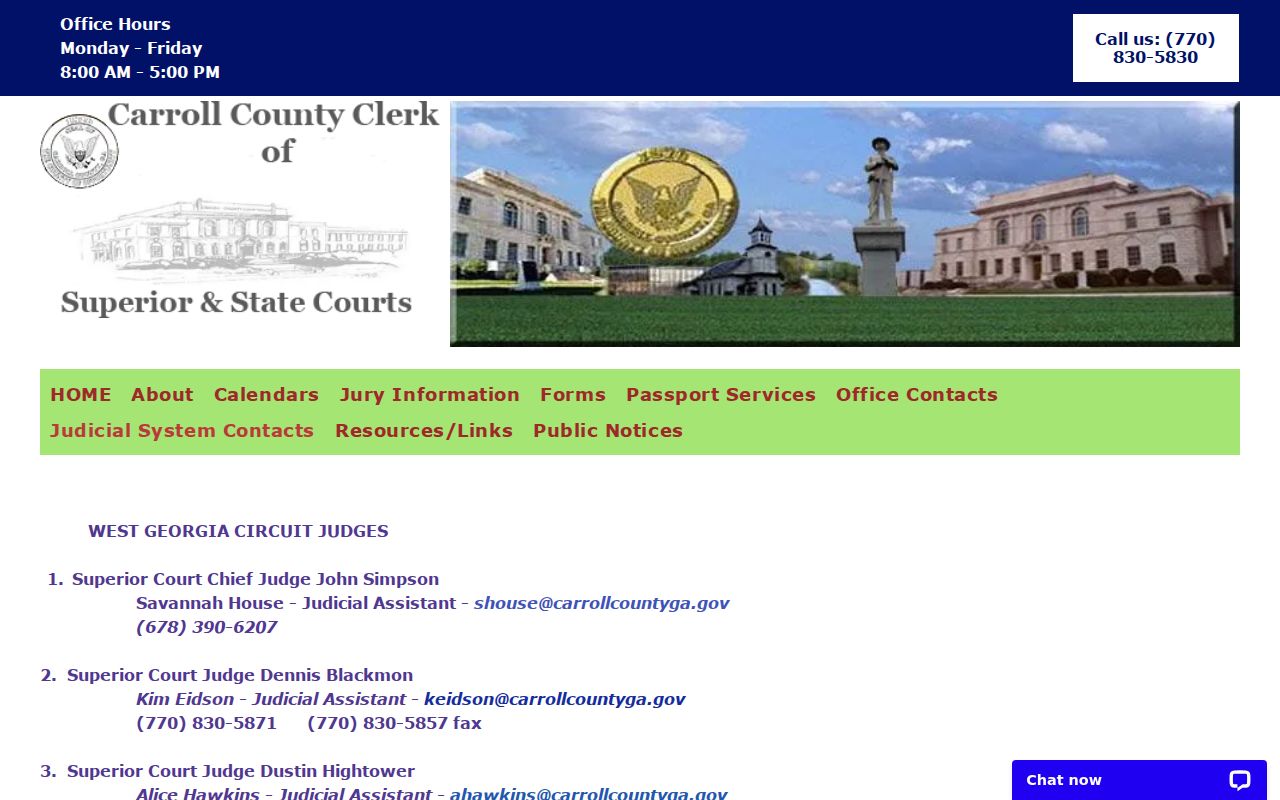
This circuit view helps a reader avoid relying on an outdated Coweta-era reference.
Handling a Heard County Warrant
Start by confirming which agency and court issued the warrant. Ask if it is still active, what case or citation it ties to, whether a future court date exists, and which office handles bond or surrender. A lawyer can tell you whether a motion to recall or quash, a scheduled surrender, payment, or another appearance fits your situation. Heard County publishes no universal walk-in, recall, or amnesty procedure, so no single path covers every warrant. Call HCSO and the issuing clerk before you set foot in a facility; showing up unannounced can mean immediate custody. Booking may involve identity checks, fingerprints, a judicial appearance, and a bond decision, but the county posts no fixed warrant-desk schedule or standard sequence. Keep one more thing in mind. Release or payment does not dismiss the underlying charge, citation, fine, or required hearing.
Important: Speak with a lawyer and the issuing court before surrender; a website or payment receipt cannot promise that a warrant was recalled.
EZ Court Pay Is Not Heard Warrant Clearance
Heard County Probate Court links to EZ Court Pay for county traffic citations. The vendor interface can search or take payment using identifiers like date of birth, citation number, or last name. Georgia Courts warns that citations may take seven to twenty-one business days to appear. Franklin Police offers its own local estimate of seven to fourteen days for its citation route. What does a payment result tell you? It answers a payment question, not every warrant question. Nothing in the official sources says paying a balance automatically recalls a bench warrant or capias. A missing result could mean a posting delay, a city rather than county citation, or a case held outside that vendor. After you pay, ask the issuing court whether a warrant was ever entered, whether a judge signed a recall, and what hearing or balance still stands. The county-linked citation interface shows search fields rather than a universal warrant status.
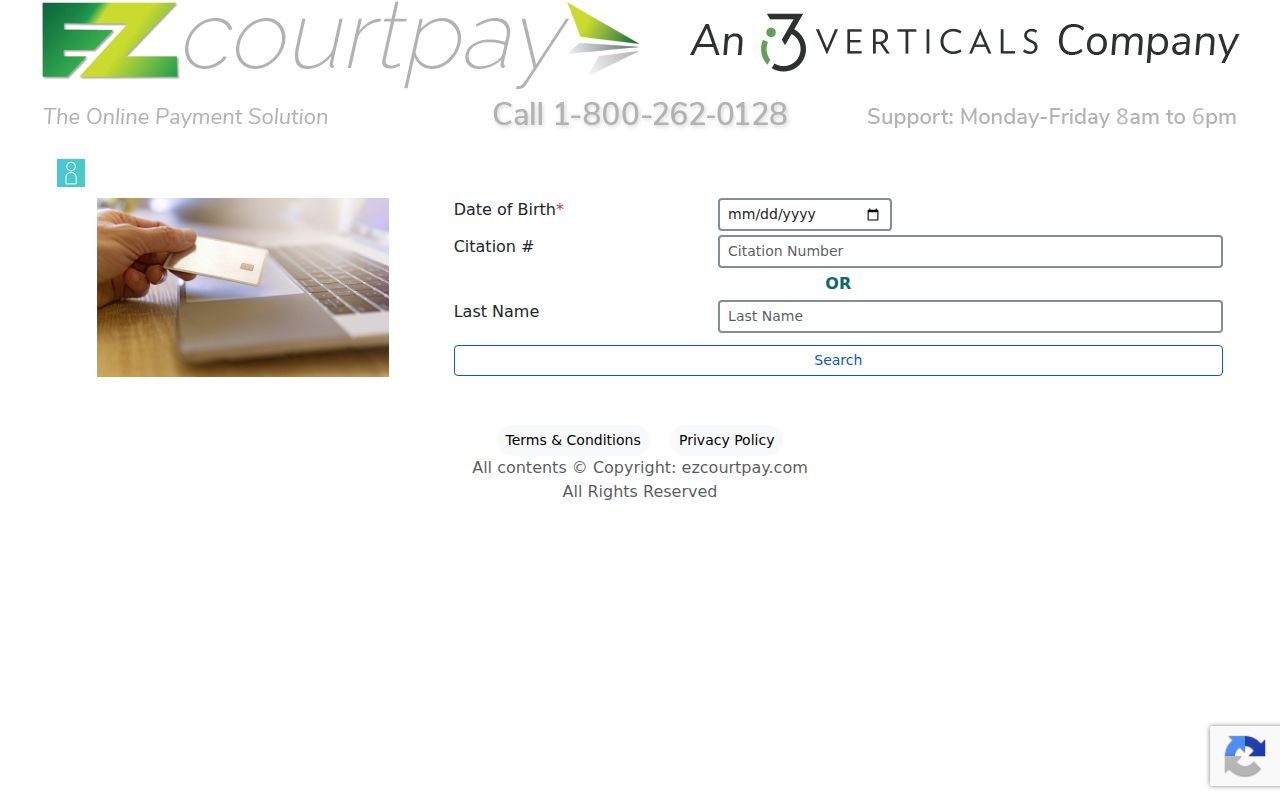
Those fields can locate a citation. Only the issuing court, though, can confirm recall of a Heard County traffic-related warrant.
Warrant Record Access Under Georgia Law
The Georgia Open Records Act generally favors access to agency records while preserving statutory exemptions. A targeted Heard County request can seek an identifiable warrant-related record. The Act does not, however, create an online name-search system. Agencies may redact protected personal data and withhold material governed by sealing, juvenile confidentiality, or active-investigation rules. Court records may also require a request to the clerk rather than HCSO.
Key Rules:
O.C.G.A. § 50-18-70 states Georgia's policy favoring access to public records, subject to exceptions.
O.C.G.A. § 50-18-71 governs inspection, copying, response, and reasonable administrative charges.
O.C.G.A. § 50-18-72 protects specified information and permits required redaction or withholding.
Heard County Magistrate Warrant Files
Heard County Magistrate Court keeps more than one kind of warrant file. A 2026 clerk posting lists Officer Warrants and Citizen Warrant applications as separate clerk duties. The difference is who starts the paperwork. An officer applies after presenting sworn material to a judge. A citizen application begins with a private applicant. Georgia court materials say that route may require notice and a hearing. The judge then weighs whether the sworn material supports the process requested. If an arrest warrant is approved, the clerk workflow makes a copy, the signed original returns to the officer, and the file later ties into service and the criminal case. Before requesting a copy, call the Heard County Magistrate Court clerk at (706) 675-3002 and ask which record category applies.
- Officer warrant
- A local clerk category for an application presented by an officer.
- Citizen application
- A private sworn request that may proceed through a warrant hearing.
- Return
- The service or non-service information sent back to the issuing court.
No Heard County Amnesty Event Located
Heard County runs no warrant-amnesty week, roundup, safe-surrender event, or fee-waiver program. The sheriff, the courts, and the county publish none. Skip old social posts too. A program from another Georgia county will not touch a Heard County warrant. Amnesty deals are narrow by design. They carry set dates, eligible case types, and a named sponsoring agency. That leaves the normal route. Confirm the active warrant with HCSO and the issuing court. Ask the clerk whether a judge will take a recall motion. Ask whether counsel can arrange a surrender, whether a hearing is required, and how written confirmation comes. If Heard County ever launches a program, watch the HCSO site, the county news page, the Franklin document library, or an official court channel. Treat any outside announcement with care. The terms belong to the court or agency that announced them, and they may cover only certain citations, dates, or fees. Before relying on a notice, confirm it names Heard County, identifies the responsible court, and sits within its published dates. Otherwise keep the work case-specific. Pull the warrant and court identifiers. Get the current judicial procedure from the clerk. Let counsel handle any surrender or recall request. HCSO can explain its service role, but the disposition rests with the judge.
City Warrant Records in Heard County
Heard County holds three incorporated places under its joint comprehensive plan. Franklin, Ephesus, and Centralhatchee each take a different route. Franklin runs its own police department and municipal court. Centralhatchee's charter expressly lets its municipal court issue ordinance warrants and address bail or recognizance. Ephesus posts a City Hall contact but no separate public warrant portal. Policing complicates the picture. The service-delivery plan assigns off-duty sheriff's deputies to Centralhatchee and Ephesus, so city and HCSO contacts can overlap. Shared contacts do not merge the record systems, though.
Franklin Warrant Records
971 in the dated state allocation table · Franklin Police and Municipal Court provide the city route.
Ephesus Warrant Records
461 in the dated state allocation table · Start with City Hall, then confirm service through HCSO.
Centralhatchee Warrant Records
377 in the dated state allocation table · The town clerk is the first city-court contact.